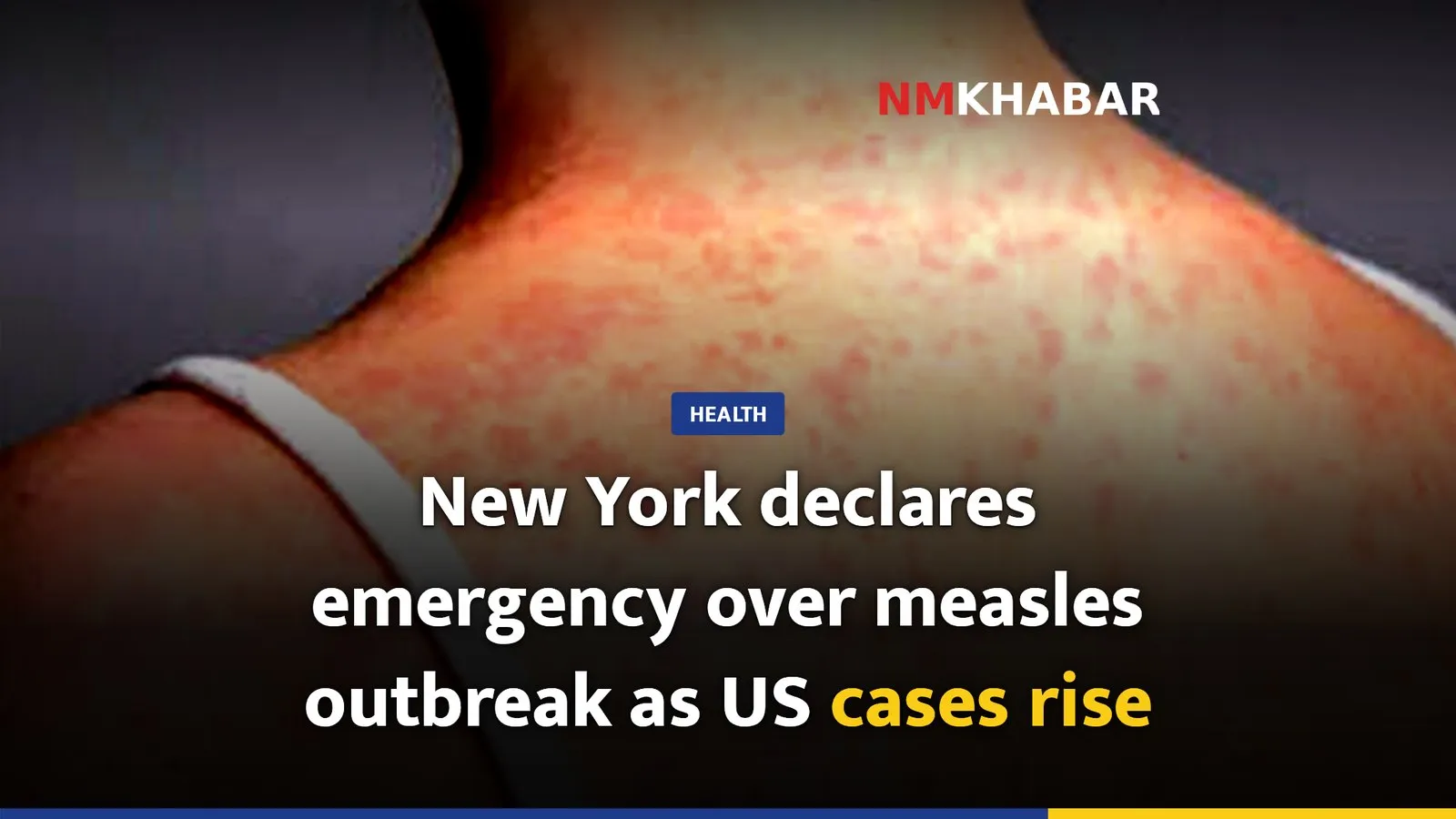
New York Governor Kathy Hochul has declared an emergency across the state following a rapid increase in measles cases, with 108 confirmed infections this year. The declaration, which will remain in effect until November 4, comes as low-vaccinated rural areas become hotspots for the highly contagious disease.
Of the 108 cases reported in New York this year, 92 have been confirmed since July 15. New York City has also reported seven cases. Neighboring Pennsylvania is experiencing an even wider outbreak, with 1,004 cases confirmed across 39 districts this year and five measles-related deaths.
To combat the spread, the New York government has increased the number of healthcare workers authorized to administer measles vaccines, including paramedics and midwives. Nurses are now permitted to order tests for the disease. The state has also launched a special information system to inform residents about local measles risks.
National measles situation
Across the United States, 3,887 measles cases have been confirmed this year by October 1, according to the US Centers for Disease Control and Prevention (CDC), the federal public health agency. This marks the worst year for measles in the US since 1991. The nation had declared measles eliminated in 2000, but declining vaccination rates are threatening this status.
Health officials are urging individuals to receive two doses of the measles, mumps, and rubella (MMR) vaccine to protect against infection. Approximately 94 percent of confirmed measles cases are among unvaccinated individuals.
Declining vaccination rates
The decline in vaccination rates among school-aged children is a significant concern. For the 2025-26 academic year, the vaccination rate for measles, mumps, and rubella (MMR) among school children dropped to 92.4 percent. This falls short of the 95 percent target set by health officials, which is considered necessary to achieve herd immunity and prevent outbreaks.
The COVID-19 pandemic contributed to this decline, with MMR vaccine coverage for kindergarteners falling from 95 percent to 93 percent in 2025. This left an estimated 250,000 kindergarten children vulnerable to measles each year. Nationally, the rate of vaccine exemptions for children has reached 3 percent, with this figure exceeding 5 percent in 10 states.
Health experts warn that current vaccination rates are insufficient to prevent further outbreaks. The Pennsylvania outbreak, for instance, began in April in an area west of Philadelphia. Measles is an extremely contagious disease, with one infected person capable of transmitting it to 12 to 18 others.
While Pennsylvania authorities reported five measles-related deaths this year, federal CDC records indicate two US deaths this year and eight over the past two years. The exact reasons for the broader decline in vaccination rates, beyond general hesitancy and the pandemic’s impact, remain under investigation.