India and China have concluded a second round of Corps Commander-level talks aimed at resolving tensions along the frontier in Arunachal Pradesh before the full onset of winter, The Indian Express has learned. The talks, which began on November 8, continued for nearly 10 days with a short break.
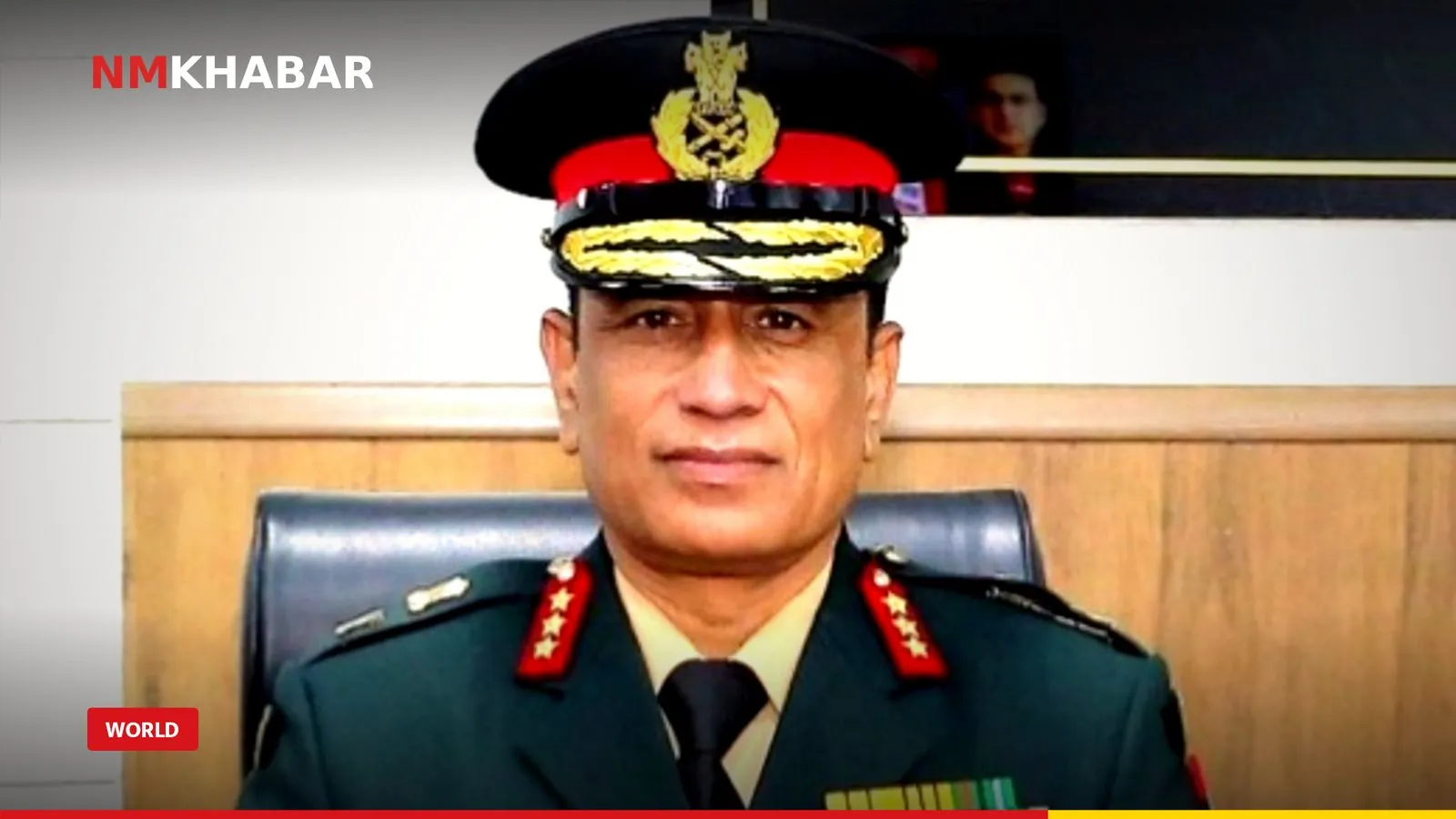
Lt General Girish Kalia, General Officer Commanding of the Army’s III Corps, held discussions with his Chinese counterpart and other officers. An official from the Ministry of External Affairs was also present. The talks were described as cordial.
The objective of this round of talks was to set engagement rules between the two sides, prevent friction between troops on the ground, ensure open communication lines, and de-escalate tensions before winter. Both nations have amassed significant troop numbers in the area.
The first Corps Commander-level talks in the eastern sector were held on September 6-7 this year, following reports of tension in the Taksing area of the Upper Subansiri district. In August, National Security Advisor Ajit Doval and Chinese Foreign Minister Wang Yi met in Beijing.
In October, Indo-Tibetan Border Police (ITBP) Director General Shatrujeet Kapur stated that Indian and Chinese troops had faced off at multiple locations in Arunachal Pradesh. The Ministry of External Affairs responded that the situation along the Line of Actual Control (LAC) “gets disturbed from time to time when Chinese forces diverge from established patrolling patterns,” emphasizing the need for peace and tranquility for bilateral relations.
Arunachal Pradesh Chief Minister Pema Khandu noted that “transgressions” occur along the frontier because China does not recognize the McMahon Line, which serves as the de facto boundary. He added that the situation is currently normal and the Indian Armed Forces are effectively guarding the border.
There remains uncertainty regarding the implementation of the agreed-upon measures before winter fully sets in, as conditions along the Line of Actual Control can make sustenance and logistics extremely challenging.
What happens next
It remains unclear whether the measures agreed upon in the talks will be implemented before winter fully sets in.
Why it matters for Nepal
Nepal has sent diplomatic notes to India and China regarding the Lipulekh-Kailash Mansarovar pilgrimage route, which Nepal claims as its territory. Nepal's Ministry of Foreign Affairs stated that Limpiyadhura, Lipulekh, and Kalapani are integral parts of Nepal according to the 1816 Treaty of Suguali. Nepal has urged India to refrain from activities like road construction and expansion in the area, and has officially informed China that Lipulekh falls within Nepali territory. Prime Minister Balen Shah is scheduled to visit New Delhi on November 22 for a two-day state visit, during which border disputes, including Kalapani, Lipulekh, and Limpiyadhura, are expected to be discussed.