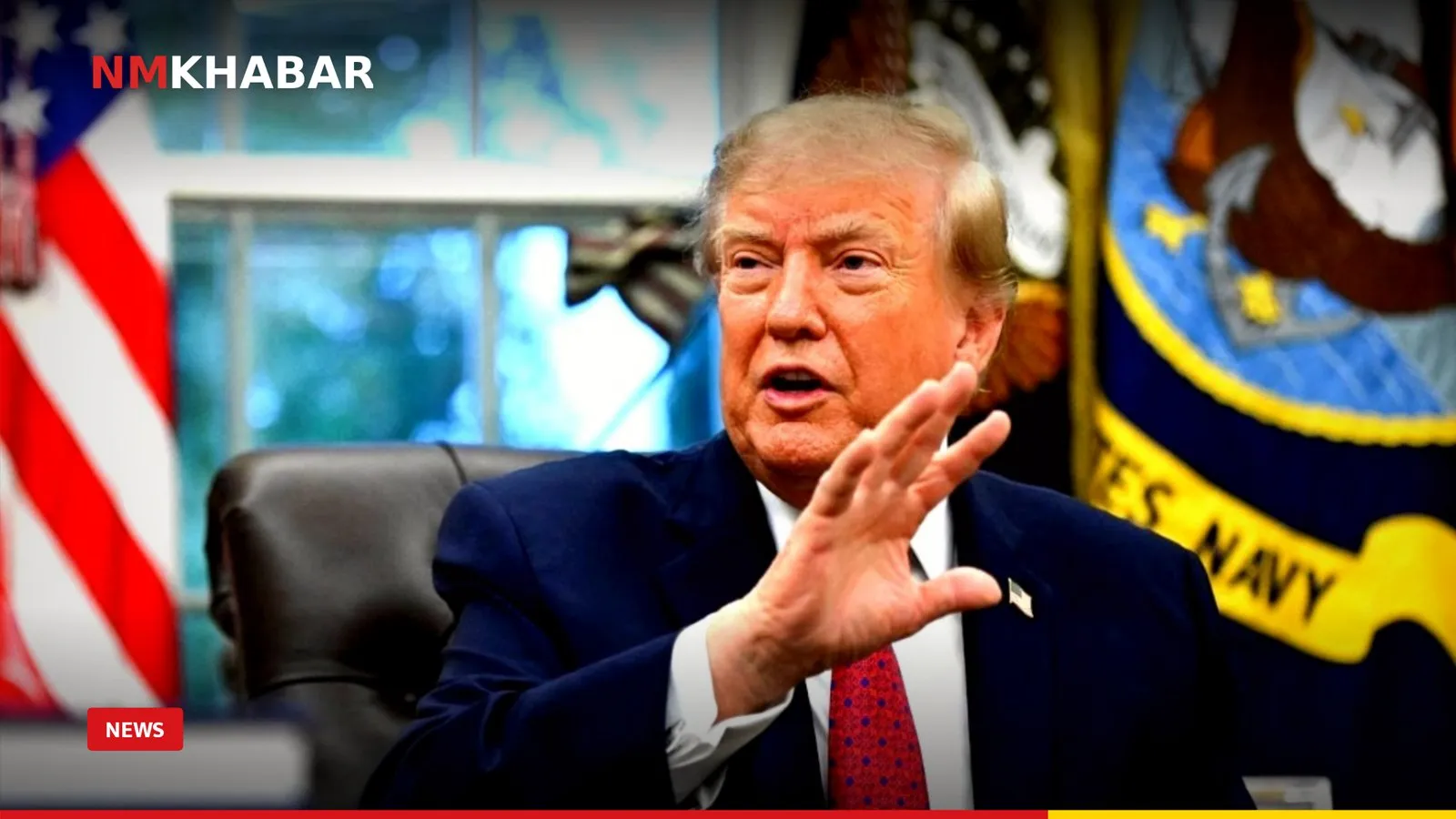
US President Donald Trump announced proposals for new tariffs on goods imported from 14 major trading partners, including China, India, and the European Union. The proposed rates range from 10% to 40%, depending on the country.
The US administration alleges that these countries have industrial overcapacity and engage in unfair competition in the global market due to government subsidies and other support. US Trade Representative Jamieson Greer stated that the new tariffs aim to discourage foreign industrial policies that harm the American manufacturing sector.
Under the proposal, imports from China could face tariffs of up to 20%. US officials indicated that if the trade truce between the US and China, set to expire on January 10, 2027, is not extended, tariffs on China could rise to 40%.
For India, the proposal suggests a 17% tariff if a trade agreement is reached, and 25% if no agreement is made. Vietnam could face tariffs of 20% with an agreement and 35% without one.
Goods from Cambodia, Indonesia, Malaysia, Thailand, and Bangladesh are proposed to have a maximum tariff of 18%. Japan, South Korea, Taiwan, the European Union, and Switzerland would face tariffs of up to 15%, including their most favorable trade rates. Singapore is proposed a maximum rate of 10%, which could increase to 20% if no trade agreement is in place.
The US has also proposed an additional 10% tariff on Embraer commercial aircraft imported from Brazil and seeks to increase tariffs on Brazilian sugar exceeding quotas. These items were previously exempt from the 25% tariff imposed on Brazil.
The new tariff proposals are subject to a public hearing scheduled for January 25, 2027, after which they may be implemented. Written comments and suggestions will be accepted until January 5, 2027.
International Reactions:
China has rejected the US allegations, with a spokesperson for the Chinese Embassy in Washington stating that the issue of industrial overcapacity is not real and urging the US to adhere to agreements made between Presidents Trump and Xi Jinping.
The European Commission strongly rejected the basis of the US proposal, with Deputy Chief Spokesperson Olof Gill stating that Europe is not a source of structural overcapacity and is, in fact, one of the most affected by it. The Commission expects the US to respect the 15% maximum tariff limit for European goods agreed upon in a 2025 trade deal.
The Brazilian government called the US proposal “unacceptable,” suggesting it aims to pressure Brazil into changing its domestic regulations concerning the PIX payment system, digital commerce, and preferential agreements. Brazil indicated it would seek a resolution through negotiations while keeping the option of action at the World Trade Organization open.
The Indian government also denied the US claims, asserting that there is no structural overcapacity in any sector. India stated that trade concerns should be addressed within the framework of the US-India bilateral trade agreement negotiations.
The Swiss government expects the proposed tariffs to align with a previous agreement that set a 15% maximum tariff limit on Swiss goods. The Swiss trade association Economiesuisse rejected the overcapacity allegations and emphasized the importance of respecting the 15% agreement.
Background and Political Impact:
The US Supreme Court had previously invalidated broad tariffs imposed by Trump in February 2026. Subsequently, the US administration launched two investigations under Section 301 of the Trade Act of 1974, focusing on overcapacity and forced labor practices.
The trade truce between the US and China, known as the Busan Agreement, was extended in September 2026 by two months to January 10, 2027. US Senator Ron Wyden criticized the timing of the tariff announcement, stating it comes shortly after voters rejected Trump’s trade policies in the midterm elections.
Analysts suggest that repealing the new tariffs may be difficult due to bipartisan support in the US for controlling China’s industrial overcapacity. Former USTR official Nathaniel Halverson warned that removing tariffs could jeopardize existing trade agreements.
The announcement of the new tariff proposals put pressure on the US stock market on Wednesday, with the Nasdaq index falling over three percent due to declines in technology stocks.
What’s Next:
The proposed tariffs are scheduled for a public hearing on January 25, 2027. Thailand plans to seek a reduction in Section 301 tariffs from 12.5% to 10% after reaching a trade agreement with the US, a process expected to take several months.
The final resolution for proposed tariffs on Brazilian aircraft and sugar will be addressed in a public hearing on January 14, 2027.