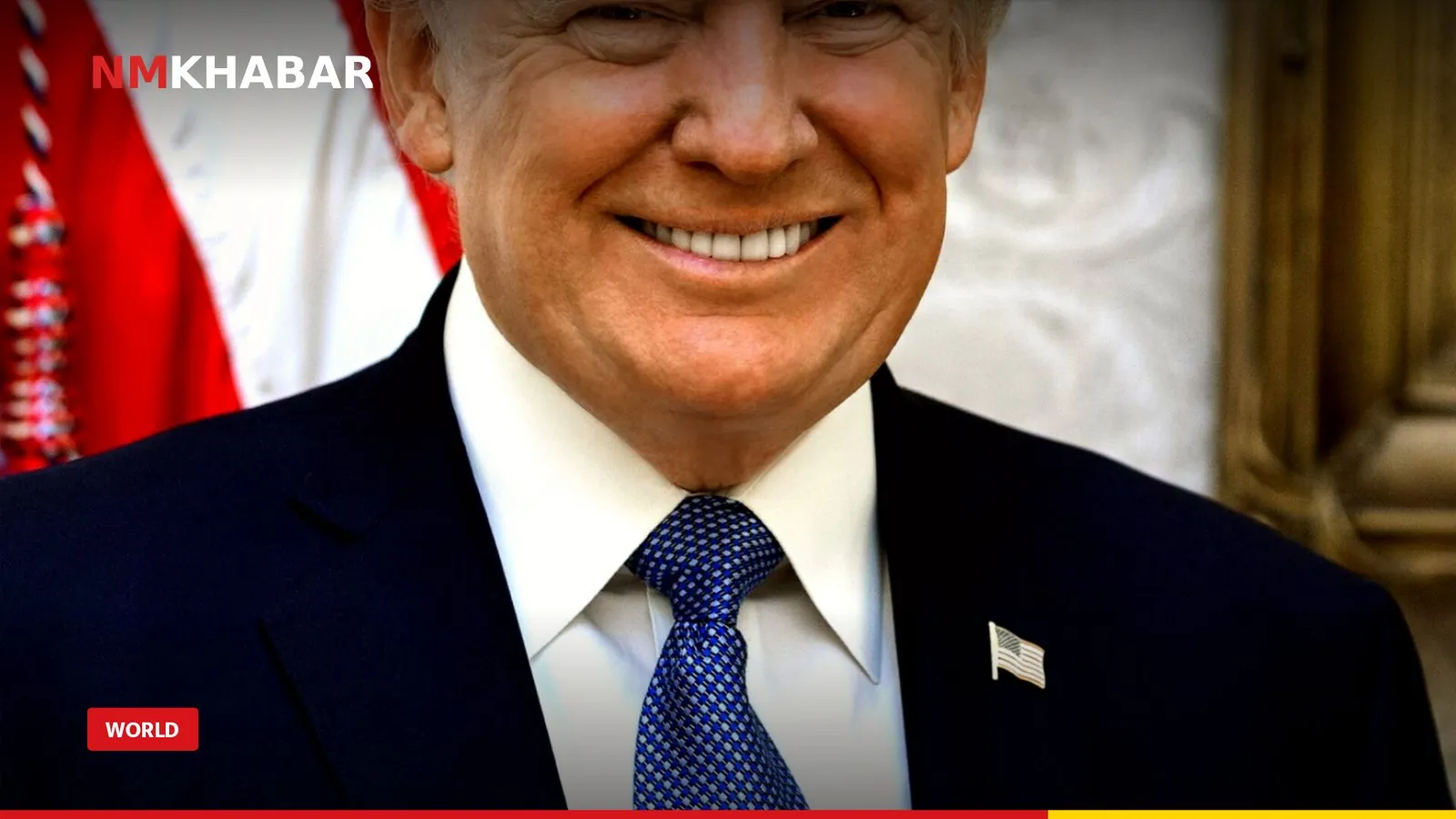
Iran has proposed a “two-day plan” to reopen the Strait of Hormuz, a vital global energy chokepoint, following Qatar-mediated talks. Iranian Foreign Minister Abbas Araghchi stated that the plan hinges on the United States implementing a set of measures on the first day, allowing Iran to restore normal navigation through the strait on the second.The proposal is a shortened version of an earlier seven-day plan, reduced to 48 hours after consultations with Qatari mediators. However, the United States has not publicly accepted the plan, and Iran maintains that its conditions, including sanctions relief, reduction of US military forces in the region, restoration of oil waivers, and release of Iranian funds, must be met. Iran also demands recognition of a new shipping route established with Oman and the closure of other routes.Iran’s Supreme Security Official Mohsen Rezaei stated that the Strait of Hormuz will remain closed until Tehran’s seven conditions are met.US President Donald Trump has stated that Washington is “in no hurry” regarding Iran, though he questioned Iran’s reliability.
Global and Regional Implications
The closure of the Strait of Hormuz, which began after a joint US-Israeli attack on Iran on February 28, 2026, has created the most significant threat to global energy markets in decades. It has curtailed over 11 million barrels per day (b/d) of Gulf crude oil and condensate production and made more than 80 million tonnes per year (Mtpa) of LNG supply inaccessible to global markets. Before the conflict, approximately 25% of the world’s seaborne oil trade and 20% of its liquefied natural gas (LNG) passed through the strait.The ongoing closure threatens to reorganize global supply chains for months or even years, impacting industries such as plastics, pharmaceuticals, aluminum, fertilizers, and consumer electronics. Asia, heavily reliant on Middle Eastern energy supplies, has been the most affected region.
Impact on Nepal
The instability in the Gulf region has significant implications for Nepal. According to Nepal’s Ministry of Foreign Affairs, approximately 60% of Nepali workers, or about 1.9 million people, are employed in the Persian Gulf. The slowdown in employment opportunities in the Gulf states due to the conflict has put additional pressure on Nepal’s labor market.Data from the Department of Foreign Employment shows a 52.12% decrease in new labor permits for Gulf jobs between the start of the war and mid-September, falling from 228,165 to 109,249 compared to the same period last year. As of March 2, 2026, six Nepali citizens were reported to be in Iran, according to Ramkaji Khadka, Joint Secretary at the Ministry of Foreign Affairs’ Central Asia, West Asia, and Africa Division.
Next Steps and Uncertainties
The diplomatic push in Doha is unfolding just days before a US moratorium on airstrikes against Iran is scheduled to expire on November 3. Iran’s Supreme Leader Mojtaba Khamenei has instructed top military commanders to prepare for retaliation against any US attack, ordering Iranian armed forces to achieve “maximum deterrence” and respond immediately and effectively to all threats “without geographical limits.” The United States has not publicly responded to or accepted Iran’s two-day framework, and it remains unclear how Washington will address Iran’s conditions. No formal announcement of the resumption of normal navigation in the Strait of Hormuz has been made.
Background
- The Strait of Hormuz was closed by Iran after a joint US-Israeli attack on Iran on February 28, 2026.
- The conflict has resulted in thousands of deaths and millions displaced across the Middle East.
- Qatar is mediating between Washington and Tehran to restart talks and reduce tensions.
- The IISS Manama Dialogue 2026, where UAE's diplomatic adviser Anwar Gargash spoke, took place from October 30 to November 1, 2026, in Bahrain.
Why it matters for Nepal
Approximately 60% of Nepali workers, or about 1.9 million people, are employed in the Persian Gulf. The slowdown in employment opportunities in the Gulf states due to the conflict has put additional pressure on Nepal's labor market, with new labor permits for Gulf jobs decreasing by 52.12% between the start of the war and mid-September compared to the previous year.