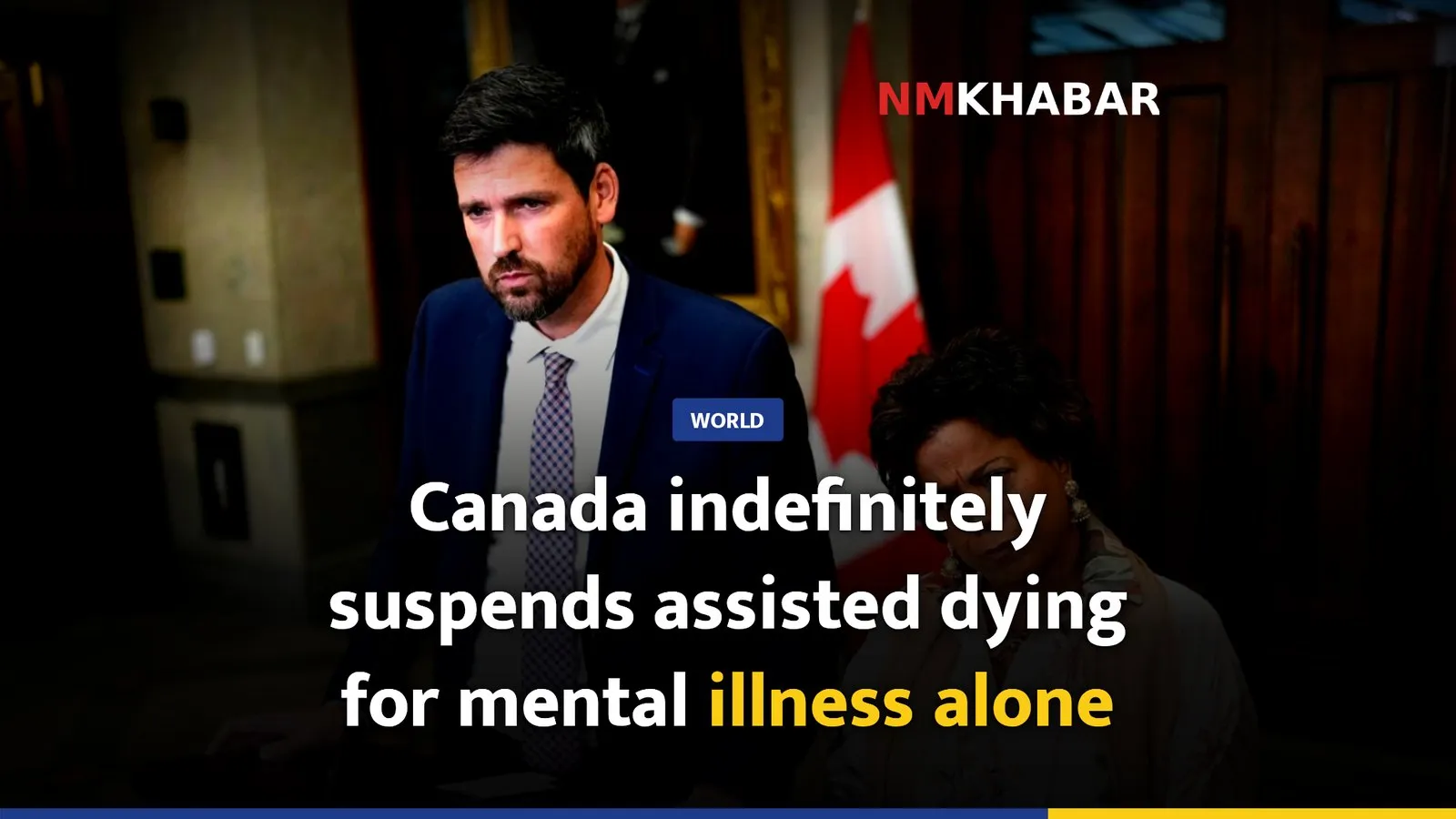
Canada will indefinitely suspend the expansion of medically assisted dying (MAID) to individuals whose sole condition is mental illness, Justice Minister Sean Fraser announced on Wednesday, October 7, 2026. The decision halts a planned expansion that would have allowed access to MAID for this group by March 2027.
The federal government plans to introduce new legislation this autumn to formalize this prohibition. Fraser stated that while there is not a perfect consensus on the issue, the government believes this is the correct approach at this time, citing concerns about the readiness of the mental health system and a lack of agreement among experts.
An advisory panel in June 2026 had recommended against expanding MAID rights to those with mental illness as their sole condition. The panel highlighted the lack of mental health support across the country and the risk that suffering patients might choose death due to inaccessible care. Debate also continues among mental health experts regarding whether mental illness can ever be deemed incurable.
Background and Previous Delays
Medically assisted dying became legal in Canada in 2016 for people with terminal illnesses. In 2021, the right was extended to those suffering from serious and incurable illnesses, even if death was not “reasonably foreseeable.” The expansion to include mental illness as a sole condition was initially set for 2023, then delayed to March 2024, and again to March 2027, to allow for further study and preparation.
New Legislation and Advanced Requests
The new legislation will also address advanced requests for MAID, allowing patients with progressing incurable illnesses to consent to assisted dying before their health deteriorates to the point where they are unable to do so. However, the final decision on implementing these advanced requests will rest with individual provinces, as healthcare falls under provincial jurisdiction. Quebec, for instance, already permits advanced requests for those with serious and incurable illnesses like Alzheimer’s.
Legal Challenges and Advocacy
The government’s decision faces legal challenges. A federal case is currently before the courts, challenging an earlier government decision to delay access to MAID for people with mental illness. Justice Minister Fraser acknowledged that the Supreme Court of Canada, the country’s highest judicial body, could weigh in on this issue in the future. Advocacy groups like Dying with Dignity Canada have criticized the government’s decision as “profoundly disappointing,” arguing that individuals with severe and persistent mental illness should have the same rights as patients with physical illnesses.
Rising MAID Cases and Broader Concerns
The prevalence of medically assisted dying in Canada has been increasing. By December 31, 2024, a total of 76,475 individuals had received MAID since its legalization in 2016. In 2024 alone, 16,499 people received MAID, accounting for 5.0% of all deaths in Canada. While polls suggest a majority of Canadians support access to medically assisted death, concerns have been raised by some experts that the program might be used to alleviate suffering that could otherwise be addressed by improved access to affordable housing and healthcare.
The proposed legislation must pass both houses of parliament before March 17, 2027, to prevent the scheduled expansion. The ultimate implementation of advanced requests will be determined by individual provinces.