Devotees across Nepal are observing ‘Kharna’, the second day of the four-day Chhath festival, today, Saturday, November 14, 2026. The festival began on Friday, November 13, 2026, with the ‘Nahay-Khay’ ritual.
For Kharna, devotees perform a ritual bath in the morning and observe a day-long fast without food or water. In the evening, after sighting the moon, they worship Chhathi Maiya, the goddess of the sun, and the sun god at their homes. The main offering for this ritual is kheer (rassyau) cooked with milk and jaggery, along with puri. This special kheer is traditionally prepared in new clay stoves and pots, using jaggery, milk, and rice from local paddy harvested in Mangsir, and offered to the family deity and Chhathi Maiya on banana leaves.
The prepared kheer and puri are shared as ‘prasad’ with family members and friends. Some devotees even invite neighbors in advance to partake in the rassyau roti. Those who consume the prasad, including family members, observe a strict vegetarian diet for the day, avoiding meat and fish.
After consuming the Kharna prasad, devotees begin a rigorous 36-hour fast without water. The festival will continue on Sunday, November 15, 2026, with the ‘Sandhya Arghya’ (evening offering) to the setting sun, and conclude on Monday, November 16, 2026, with the ‘Usha Arghya’ (morning offering) to the rising sun, followed by the breaking of the fast, known as ‘Paran’.
Historian Vijaykishore Pandey notes that Chhath is unique among festivals as it does not require a priest for worship; devotees perform the rituals themselves. He added that there is a religious belief that worshipping a clay elephant during this fast fulfills wishes.
Preparations for Chhath Ghats
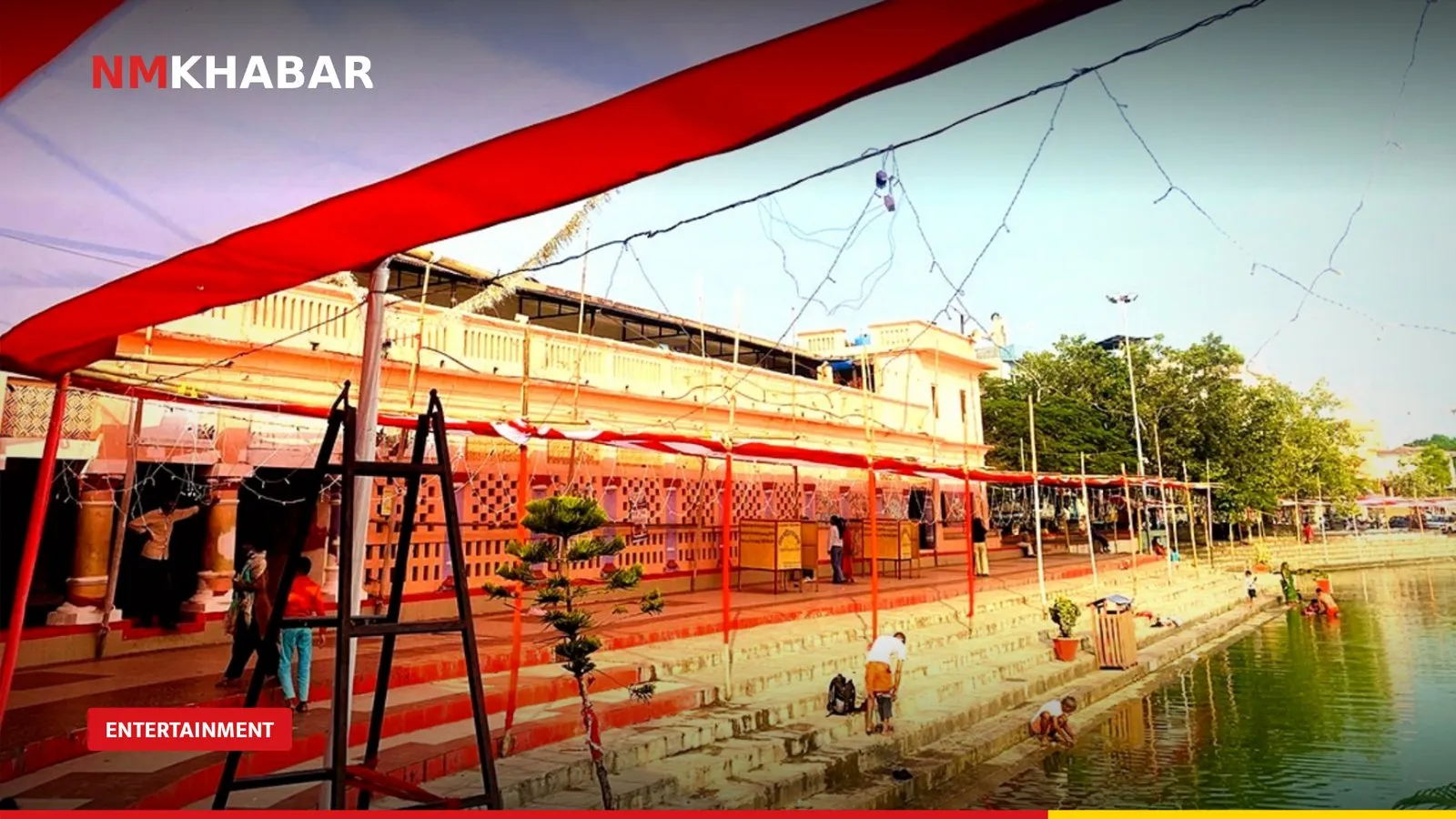
Preparations for the Chhath festival are in full swing across various locations. In Birgunj, Parsa district, Chhath ghats at Ghadiarwa, Ranighat, Nagwa, and Murli have been decorated. The Chhath puja at Birgunj’s Ghadiarwa Pond complex gains national attention every year. Chhath ghats have also been prepared in rural areas of the district.
In Kathmandu Valley, preparations are underway to celebrate Chhath at approximately eighteen locations. According to the Guhyeshwari Gauri Ghat Chhath Puja Committee, 600 Chhath ghats have been constructed along the Bagmati River from Gauri Ghat to Guhyeshwari this year.
The Chhath festival, primarily celebrated by Hindus in Nepal’s Madhesh region and northern India, has increasingly become a shared festival, with participation from both Madheshi and Pahadi Hindus, as well as Muslim devotees in recent years.
Background
- The festival involves worshipping षष्ठी भगवती (Chhathi Maiya) and the sun god for the welfare of children, spouses, and family.
- Chhath is celebrated twice a year: 'Chaiti Chhath' in Chaitra Shukla Shashti and 'Kartiki Chhath' in Kartik Shukla Shashti.