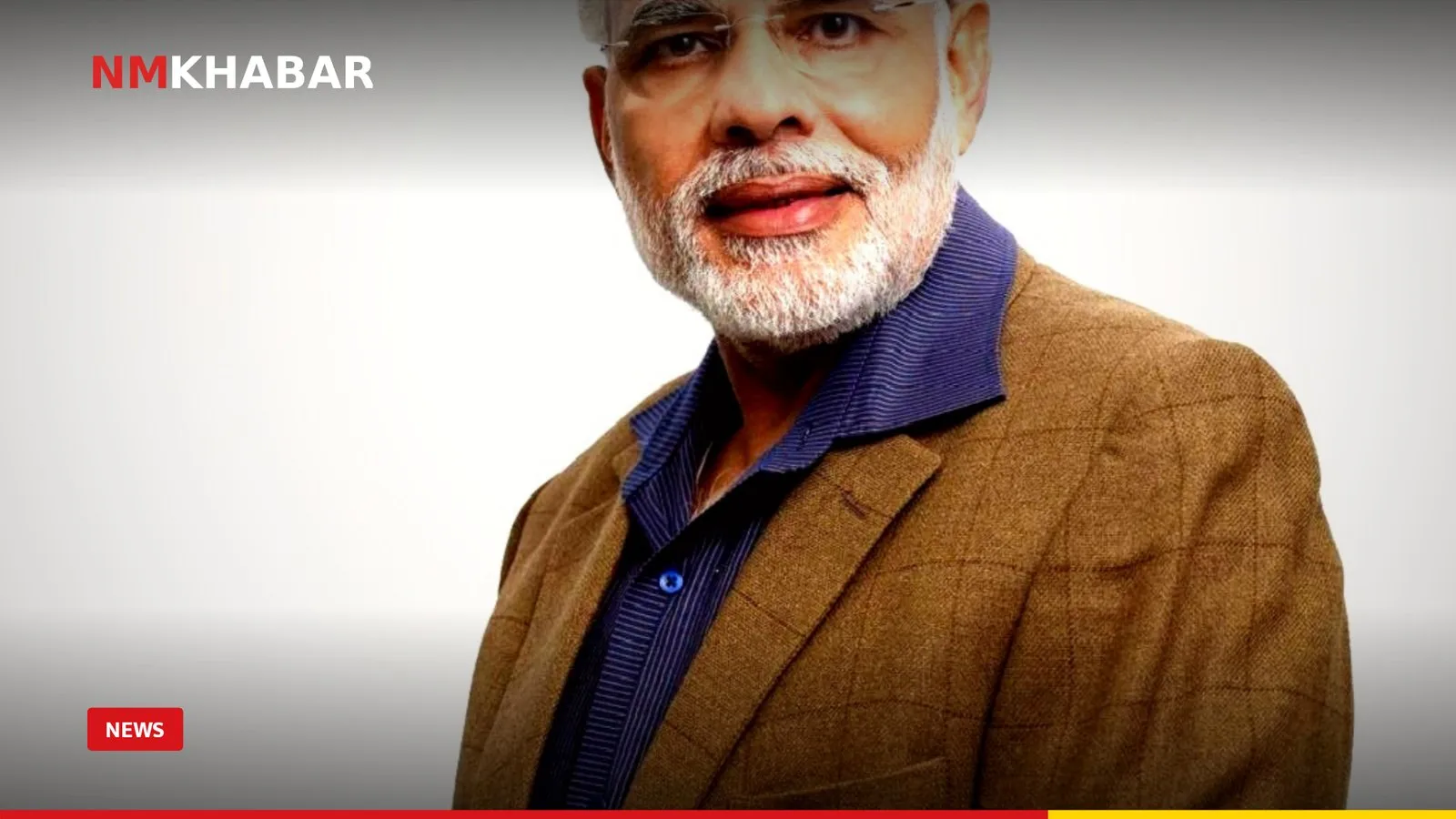
The second phase of the Motihari-Amlekhgunj petroleum pipeline, completed two years ago, is set to be inaugurated by Nepalese Prime Minister Balen Shah and Indian Prime Minister Narendra Modi on Monday, November 23, 2026. The inauguration will take place after 10 a.m. following a delegation-level meeting between the two prime ministers.
Pipeline Expansion and New Projects
During Prime Minister Shah’s visit to India, a new petroleum pipeline project from Siliguri, India, to Charali, Jhapa, Nepal, will also be jointly laid. The first phase of the Motihari-Amlekhgunj petroleum pipeline was jointly inaugurated on September 10, 2019 (BS Kartik 24, 2076) by then-Prime Minister K.P. Sharma Oli and Indian Prime Minister Narendra Modi via video conference.
The second phase of the pipeline, which began importing petrol and kerosene in February 2081 (BS), has been operational. An agreement to expand the pipeline was signed on June 1, 2023 (BS Jestha 18, 2080) during the visit of then-Prime Minister Pushpa Kamal Dahal to India. This agreement included extending the Amlekhgunj pipeline to Lothar in Chitwan and constructing a pipeline from Siliguri to Charali.
Infrastructure and Cost Savings
The Motihari-Amlekhgunj petroleum pipeline project’s two-phase infrastructure development received approximately Rs 5 billion in grant assistance from the Indian Oil Corporation. For the second phase, which focused on enhancing storage capacity and infrastructure, the Indian Oil Corporation invested Rs 600 million, and the Nepal Oil Corporation invested Rs 1.54 billion.
With the operation of the pipeline, the Nepal Oil Corporation has saved approximately Rs 1.8 billion annually in fuel costs and transportation fees. Previously, transporting petrol from Barauni to Amlekhgunj cost Rs 3 per liter, but now it costs only Rs 0.50 per liter. The pipeline has also resolved issues of illegal fuel theft and leakage.
Amlekhgunj Depot’s Enhanced Capacity
The second phase of the Motihari-Amlekhgunj petroleum pipeline project included the construction of four new tanks for diesel and petrol storage at the Amlekhgunj depot. Additionally, two small transmix tanks, a PMCC building, a guardhouse for vehicle inspection, a control room, and an automated loading bay have been built. These infrastructures have increased the Amlekhgunj depot’s storage capacity, contributing to Nepal’s total petroleum storage capacity of 102,281 kiloliters, sufficient for about 16 days of demand.
The Amlekhgunj depot, located in Madhesh Province, currently meets 75 percent of the country’s total petroleum demand. The pipeline’s operation has also helped reduce road congestion at the Birgunj checkpoint and dry port, ensuring a smoother supply of petroleum products to 20 districts nationwide.
Future Projects and Timeline
During Prime Minister Shah’s visit, the new petroleum pipeline project from Siliguri to Charali in Jhapa will be jointly laid. An agreement has also been reached to advance the Amlekhgunj-Lothar pipeline expansion project. These projects are planned to be completed within 54 months.
What’s Next
On November 23, 2026, both prime ministers are scheduled to jointly inaugurate the Motihari-Amlekhgunj pipeline and lay the foundation stone for the new pipeline project from Siliguri to Charali.