The United States struck Iran’s Qeshm Island on Monday, US officials confirmed, describing it as the latest in a series of limited, secret operations. The Wall Street Journal reported that these strikes were carried out on a smaller scale and purposefully kept secret to avoid signaling any intent of resuming a major military campaign against Iran.
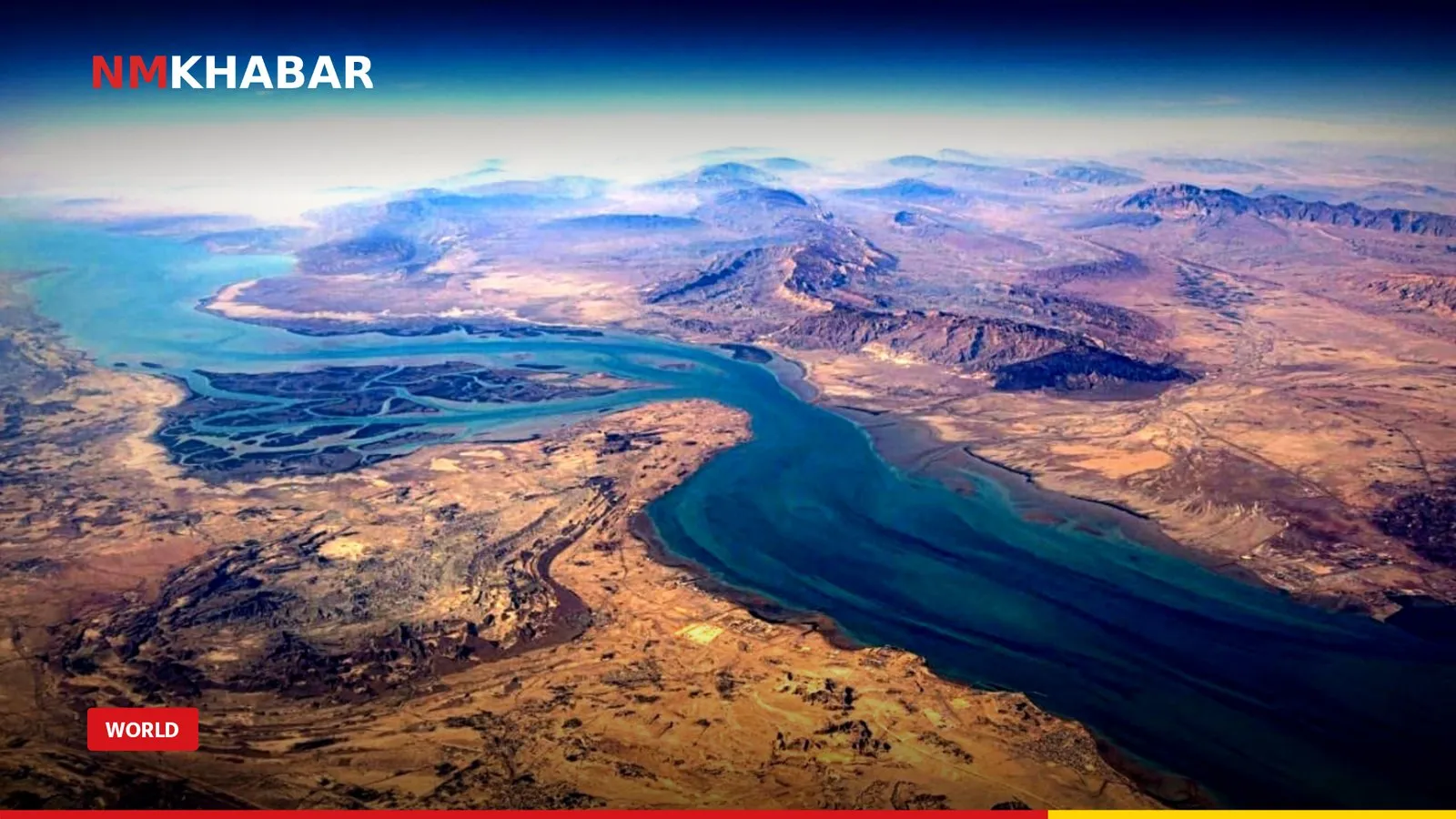
Iranian state news agency IRNA reported five explosions on Qeshm Island, which is situated on the Strait of Hormuz. Some residents also reported seeing two aircraft flying in the island’s skies.
CNN, citing three US officials, characterized the Qeshm strikes as defensive in nature, aimed at protecting US assets in the region. One official stated that the US attack came in response to Iran firing at a US aircraft. The Pentagon referred questions about the reported strikes to US Central Command (CENTCOM), which did not immediately respond to requests for comment.
Earlier on Monday, US President Donald Trump signaled that a deal with Tehran could happen. When asked by reporters if he was considering striking Iran after Tuesday’s midterm elections, he replied, “no.”
Washington and Tehran have been at war since February 28, 2026. Oil prices, which had surged due to Iran’s blockade of the Strait of Hormuz, plunged by more than seven percent on Monday amid optimism over a possible end to the conflict.
Background
- The United States and Israel launched a joint attack on Iran on February 28, 2026, named "Operation Epic Fury," targeting Iranian missile and air defenses, military infrastructure, and leadership.
- A ceasefire agreement was reached in April 2026, but its implementation was stalled by disagreements over security in the Strait of Hormuz.
- On July 8, 2026, US forces launched retaliatory strikes against Iran after Iran attacked three commercial ships crossing the Strait of Hormuz.
What happens next
Iran's Foreign Ministry spokesperson, Ismail Baghaei, announced a two-day plan for Iran to reopen the Strait of Hormuz and resume nuclear talks if the United States meets Iranian conditions, including unfreezing Iranian assets and lifting sanctions. Iranian President Masoud Pezeshkian stated his administration would work to resolve problems created by "enemies" through negotiations.
Why it matters for Nepal
Nepal's Ministry of Foreign Affairs reported that 1,729,288 Nepali citizens are legally working and residing in the Middle East as of November 1, 2026, with 10 Nepalis in Iran, four of whom are in the process of returning. The Nepal government has prioritized the safety of Nepalis in the region and has begun preparations for emergency rescue operations.